Why Your Best Stories Might Be Starting in the Wrong Place
The difference between stories that captivate and stories that get ignored often comes down to where you begin. Learn why starting in the middle might be the key to better engagement.
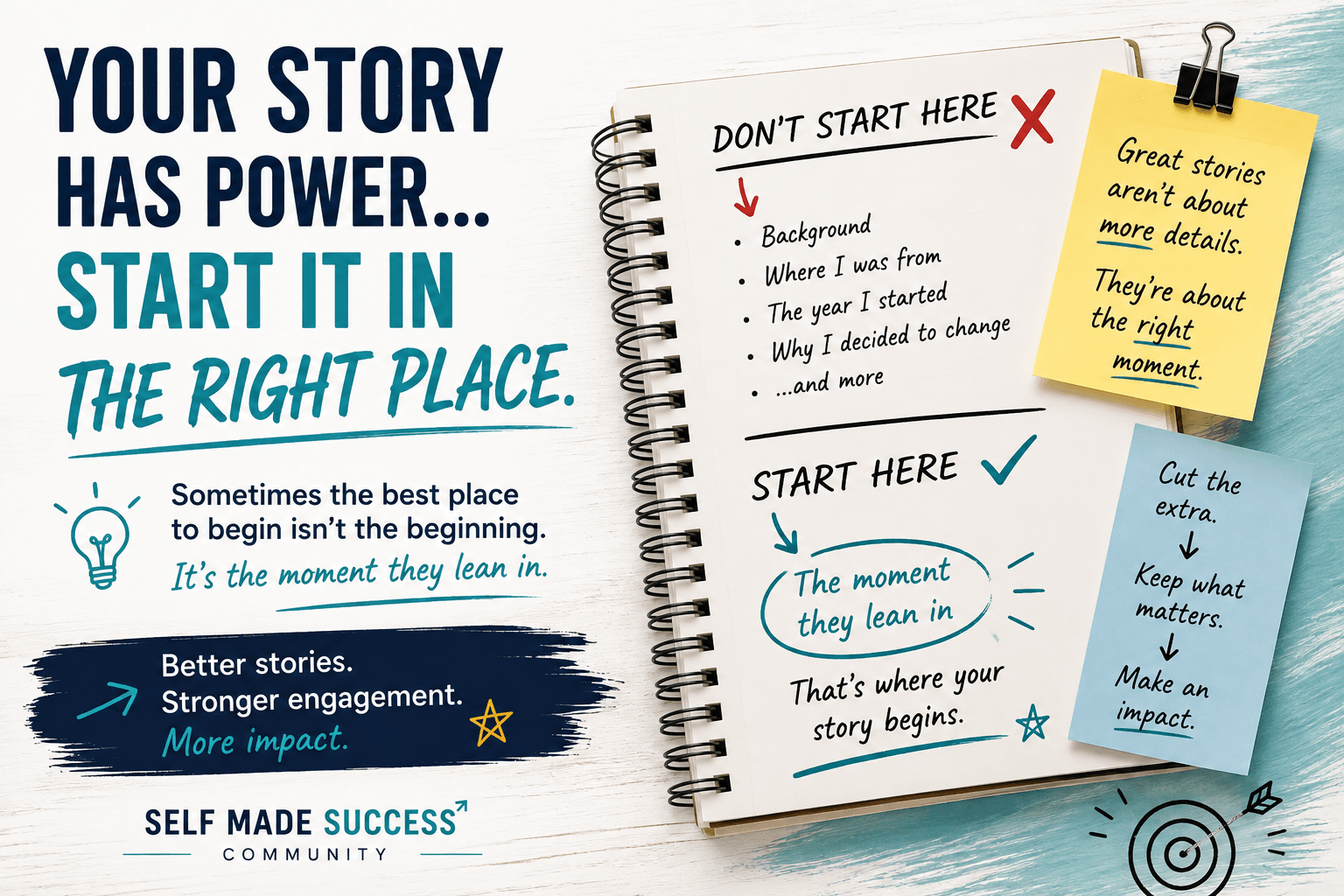
I've been paying more attention to how I tell stories lately. Not the big, planned-out ones. I'm talking about the everyday moments. The kind you share with a friend over coffee or mention in passing during a conversation. Here's what I've noticed. When I'm talking to someone in person, I naturally jump straight into the interesting part. No warm-up. No background. Just... boom. Right into the moment that actually matters. But when I sit down to write? Suddenly I feel this need to explain everything first. Where I was. Why I was there. How I got there. What year it happened. The weather that day. I've probably written enough backstory to qualify as a history book. LOL And by the time I finally get to the interesting part? Most people have already moved on. I caught myself doing this again last week. I was writing about a lesson I learned from a failed project. Instead of starting with the failure (the interesting part), I started with how I got the idea for the project in the first place. Then I explained my process. Then my expectations. Three paragraphs in, I still hadn't mentioned what actually went wrong. I had to stop and ask myself: Would I tell this story that way in person? Absolutely not. In person, I'd start with the moment everything fell apart. The panic. The realization. The lesson. That's what people lean in for. The backstory? That comes later, if it comes at all. And usually, it turns out most of it wasn't necessary anyway. Start Where They Lean InThere's a moment in every story where people lean in. It's rarely at the beginning. It's the moment of tension. The unexpected twist. The relatable struggle. The thing that makes someone think, "Oh, I've been there." That moment is your real beginning. Everything before it is just throat-clearing. I've started treating my writing the same way I treat conversation. I ask myself: Where's the moment someone would lean in? Then I start there. Sometimes that means starting in the middle of the action. Sometimes it means starting with the problem, not the setup. Sometimes it means cutting the first three paragraphs I wrote and realizing the story actually starts at paragraph four. The Backstory Can WaitHere's the thing about backstory: if it's truly important, you can weave it in later. Once you've hooked someone with the interesting part, they'll want to know the context. They'll be curious about how you got there. They'll ask the questions in their mind, and you can answer them as you go. But if you front-load all that context? You're asking people to invest in your story before they know why they should care. That's a lot to ask. A Simple TestBefore you publish your next piece of content, try this: Read your first paragraph out loud to yourself. Then ask: If I were telling this to a friend over coffee, would I start here? If the answer is no, find where you would start. Then delete everything before that point. Scary? Maybe. But your readers will thank you for getting to the point. Your best stories aren't buried in your backstory. They're already there, waiting in the moments that matter. You just have to start in the right place. Want to dive deeper into storytelling strategies that actually connect? Join us in the Self Made Success Community — we talk about this stuff (and a lot more) every week. |
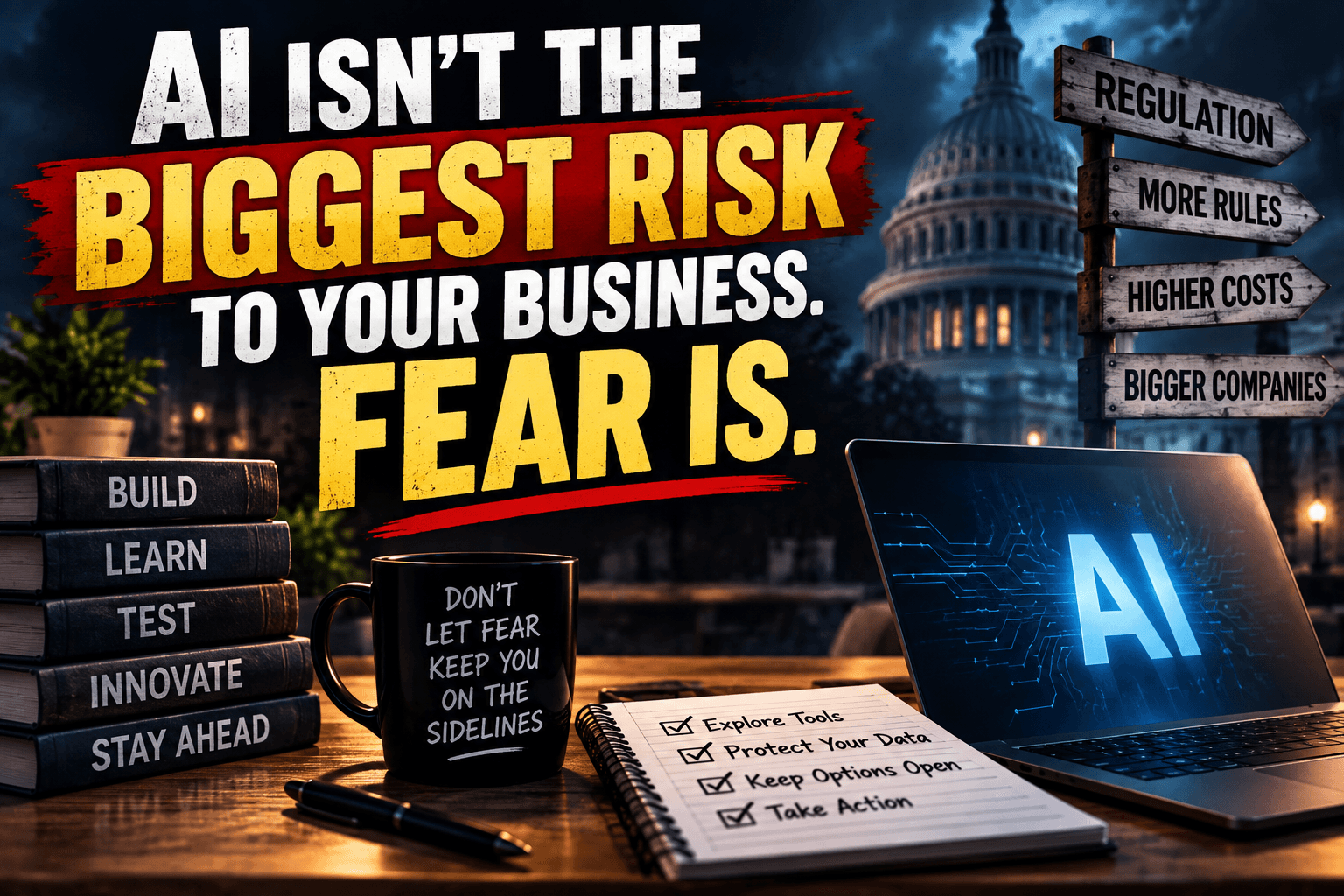
AI Isn’t the Biggest Risk to Your Business. Fear Is.
AI regulation is evolving fast. Learn why fear may be a bigger business risk than AI itself and how skeptical entrepreneurs can keep moving.
5 AI Trends Happening This Week: October 6, 2026
AI trends this week for entrepreneurs: five practical AI business trends and tools worth watching for small business on October 6, 2026.
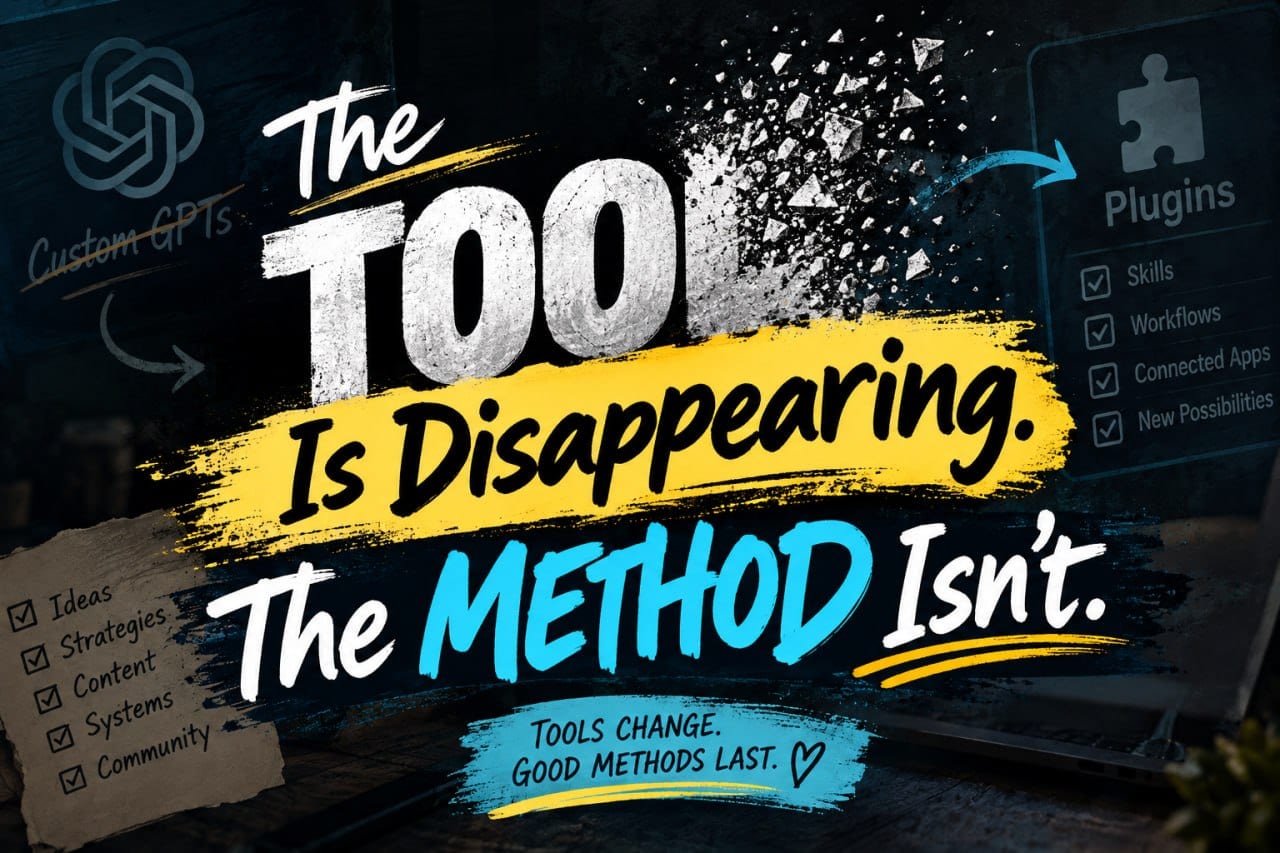
The Tool Is Disappearing. The Method Isn't.
OpenAI is retiring Custom GPTs on December 11, 2026. I built one for my Rapid Content Method course, and now I'm figuring out what comes next. The bigger question: Do you own the method, or only the container?
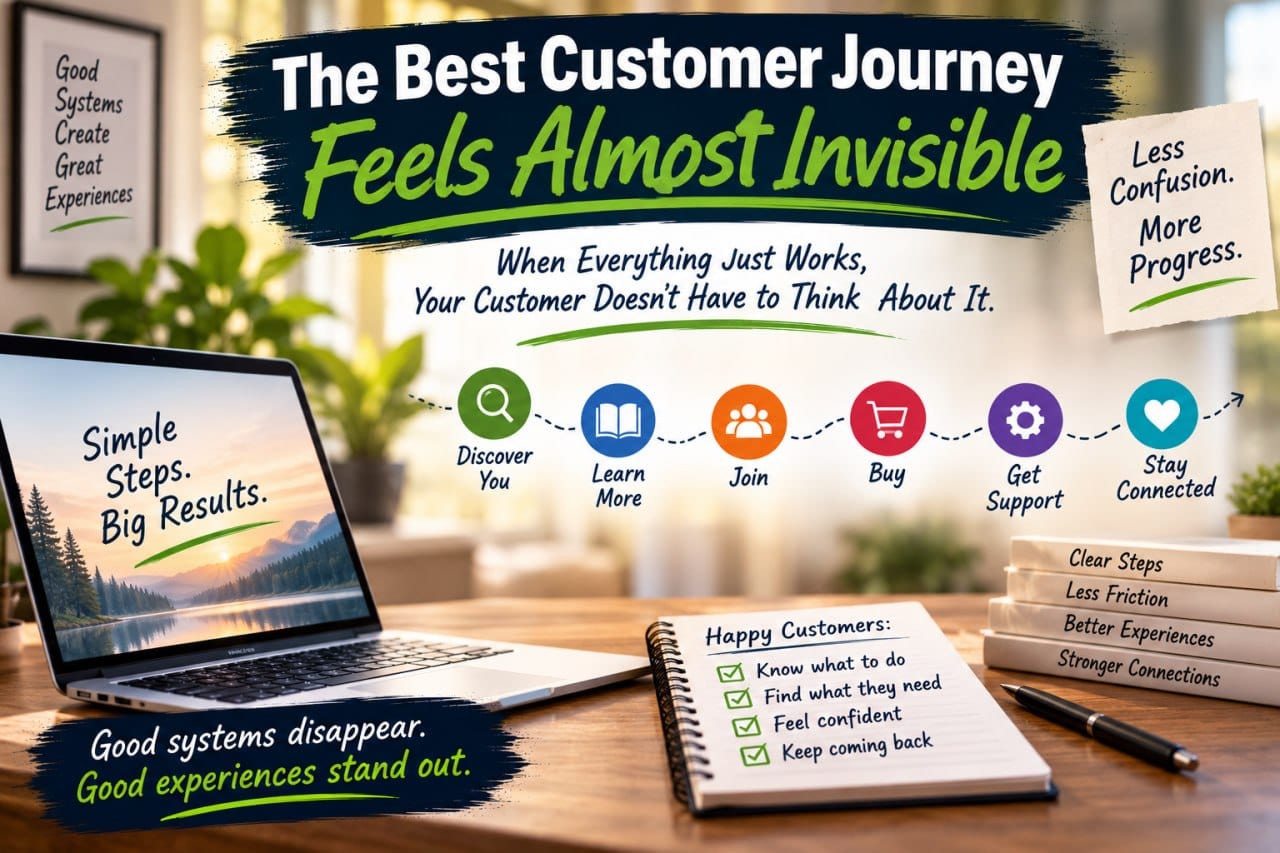
The Best Customer Journey Feels Almost Invisible
The best customer journey is one your customer barely notices. Learn how to find and fix friction points that make customers stop and ask, 'Where do I go now?'
0 Comments
Join the conversation
Be the first to comment
Share your thoughts above.