

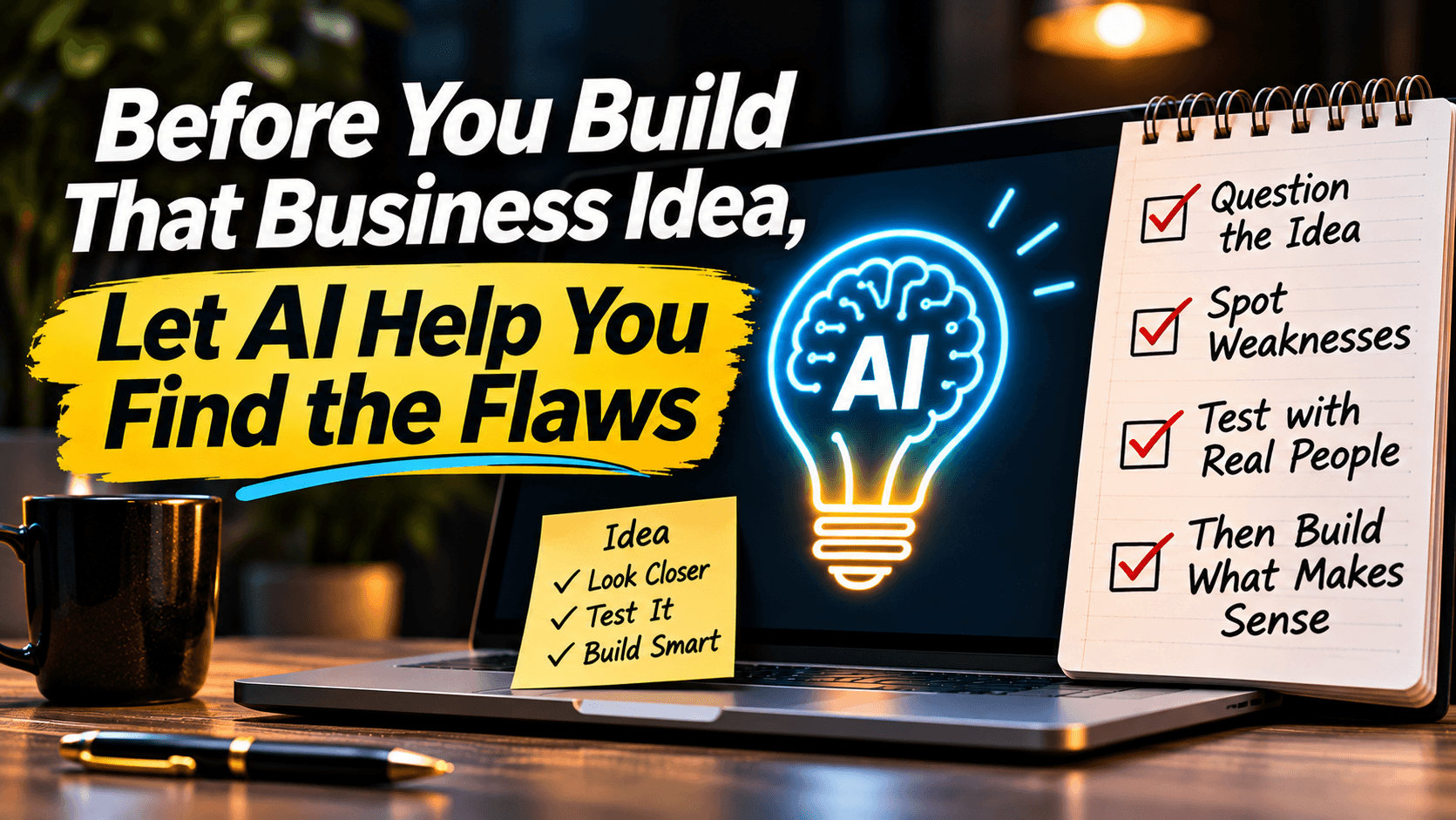
Before You Build That Business Idea, Let AI Help You Find the Flaws
Use AI to question your assumptions, then let real customers help you test the idea.
A new business idea hits, and suddenly you're on a mission. The domain is available. The logo is taking shape. You've compared five software platforms and already pictured your first million dollars.
One tiny detail remains: Does anyone actually want to buy it?
Excitement is a wonderful starting point. It's just not the same thing as customer demand. Before you build, AI can help you look for the cracks.
A Good Idea Isn't Always a Good Business
An idea can be clever, useful, and still hard to sell. Maybe customers don't understand the offer. Maybe the problem isn't painful enough to pay to solve. Or perhaps they're already handling it with something simpler.
An offer that takes ten hours to deliver for a $30 sale may also be hard to sustain, no matter how nice the logo looks.
Finding weaknesses early isn't defeat. It's a chance to improve the offer while changing direction is still cheap.
Give AI a Different Job
Most of us ask AI to help build things: sales pages, product outlines, business names, and marketing campaigns.
But before asking it to make your idea sound amazing, ask it to challenge the idea.
AI can uncover hidden assumptions. Are you assuming people have this problem, care enough to solve it, or will pay your price?
It can suggest possible objections. Would buyers worry about cost, time, or whether the offer is different from what they already use?
It can question your positioning. That's how you explain who the offer is for and what result it delivers. If the benefit takes five paragraphs to explain, you may have work to do.
AI can also help examine whether the offer is realistic for your time, skills, and budget.
Here's the rule: AI's guesses are not customer research. A confident answer is still a hypothesis until real people help you test it.
Turn the Questions Into Real Tests
Let's say you're considering a $49 digital toolkit to help small business owners plan their weekly marketing.
AI might suggest a concern: people already own plenty of templates they never use. That's a possibility, not a proven objection.
Instead of spending three weeks building the toolkit, talk with five business owners who fit your audience. Ask how they plan marketing now, what frustrates them, and what they've tried.
Show a simple description or one sample page. Listen for confusion. Notice whether the problem matters enough for them to change what they're doing.
Five conversations won't prove a market exists. But they can expose surprises and help you decide what to test next.
Watch the difference between encouragement and action. "That's a great idea!" feels good. A demo request, qualified waitlist signup, deposit, or purchase tells you something more meaningful. Even those signals need context.
The goal isn't agreement. It's learning whether you're solving a problem people truly want solved.
Test the Offer Before Building the Whole Thing
The right test depends on what you're selling.
For a service, describe the result and talk with qualified prospects before building a full package. For a digital product, share an outline or sample and see what buyers find useful.
Considering a membership? Ask what ongoing support people need, not just whether they like the idea of a community. For a workshop, try a small live session before recording an entire course.
For a software idea, a mockup or manual version of the service may reveal more than months of development.
These tests won't remove all risk. They help you make the next decision with better information and less money on the line.
AI Isn't the Final Judge
AI can organize possibilities, compare approaches, and help plan questions or experiments. It cannot know exactly what your customers will buy or guarantee success.
Avoid sharing confidential client details or sensitive business information unnecessarily.
Use AI to prepare. Use your judgment to interpret. Use real customer behavior to learn.
That's stronger than asking a chatbot, "Will this make me rich?" and hoping for an enthusiastic yes.
Validate Before You Invest
It's easy to build a complicated setup around an untested idea. The website, subscriptions, funnel, automations, and welcome emails can all look impressive before the first sale.
A simpler path is to question the idea, test the assumptions, listen to customers, and then build what makes sense.
Want to put your next idea through that process? I've shared practical, copy-and-paste AI prompts inside the Self Made Success Community to help you spot possible flaws and plan low-cost tests before you commit weeks to building.
You don't need another expensive tool. You need better questions and a willingness to hear the answers.
What's one idea you could test this week before building the rest? |
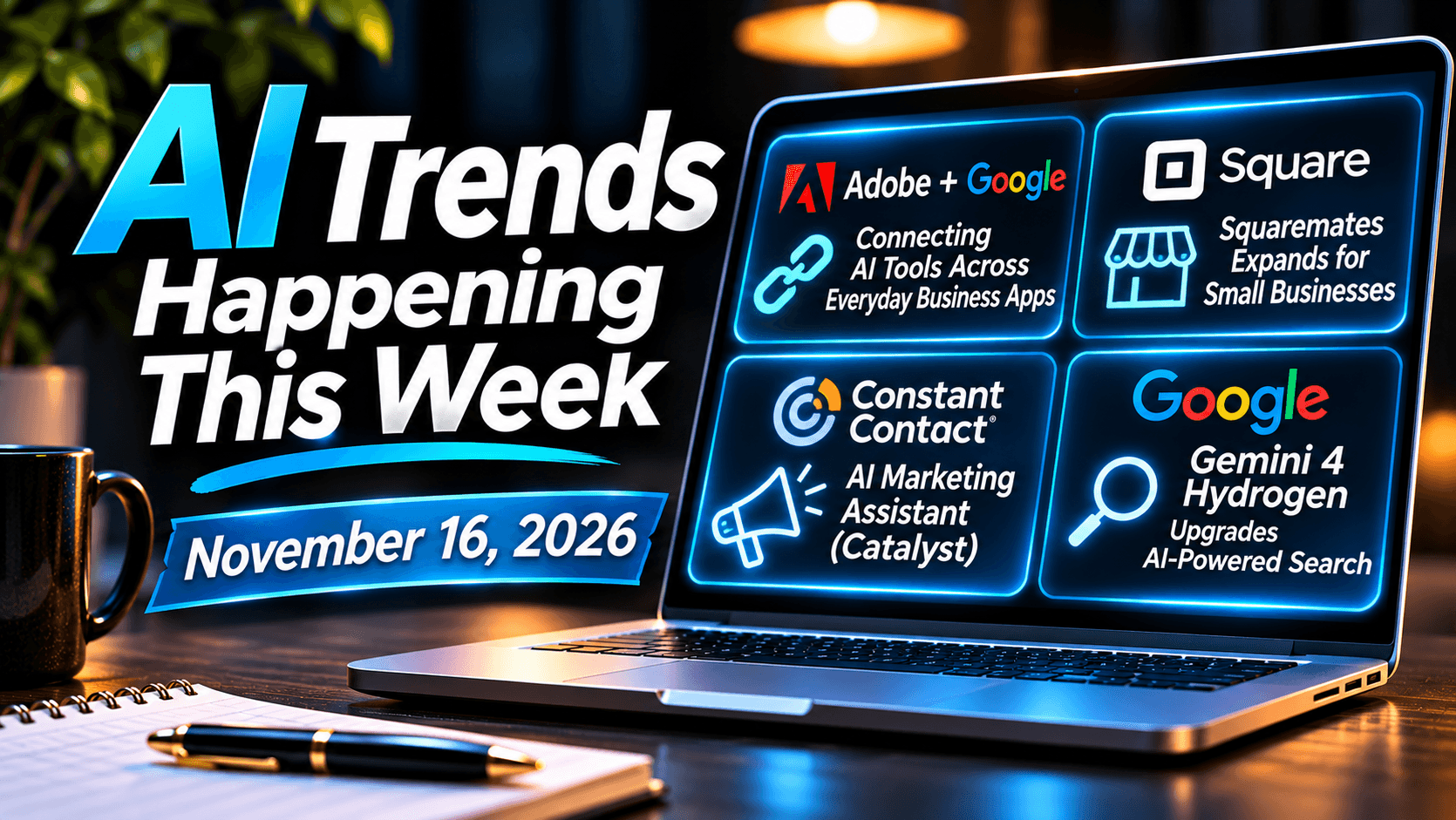
AI Trends November 16, 2026: Google, Square & Marketing
Explore four AI trends for small businesses: Adobe and Google integrations, Squaremates, Constant Contact Catalyst, and Gemini 4 Hydrogen in Search.
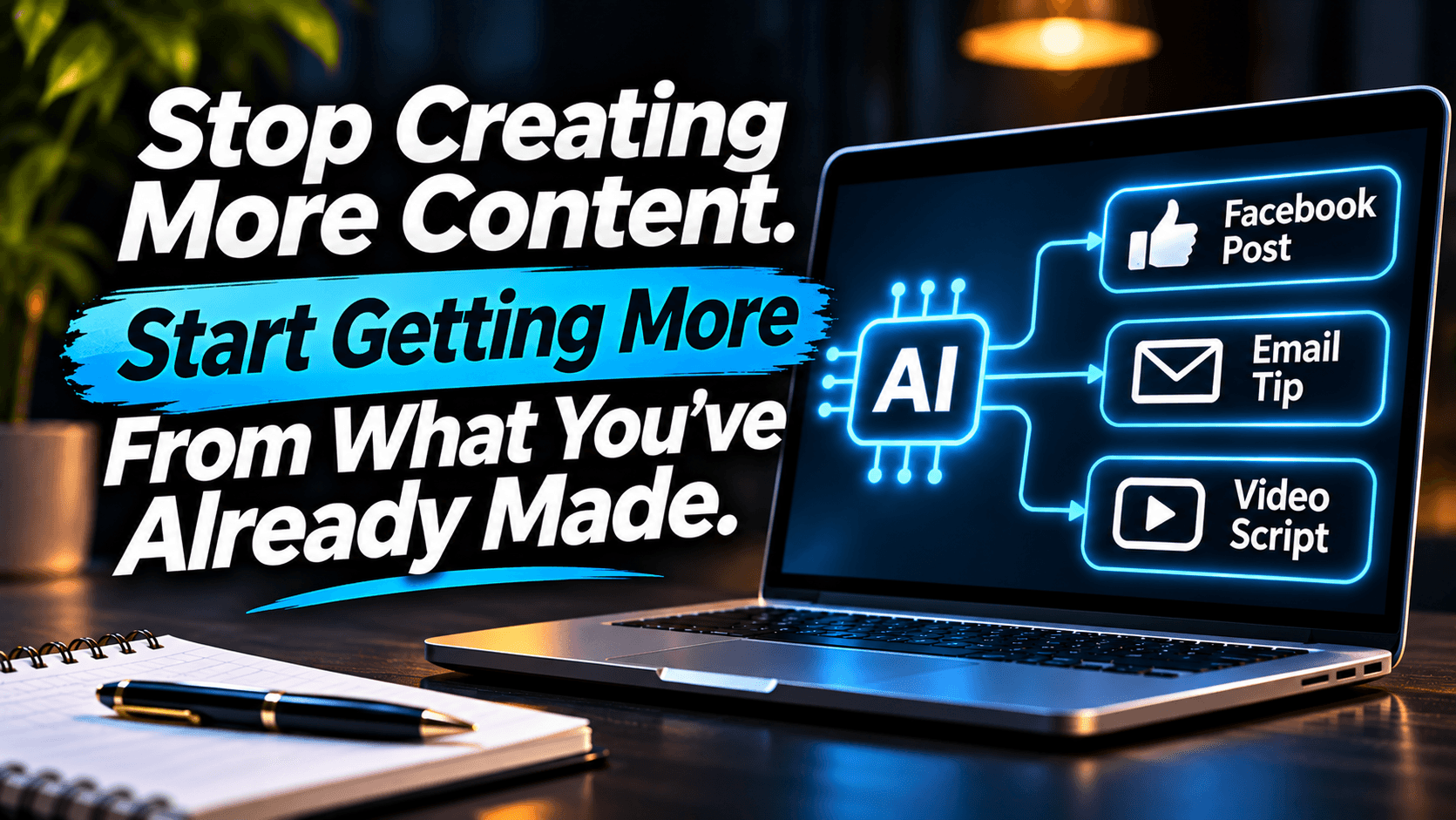
How to Repurpose Content With AI Without Starting Over
Learn how to repurpose content with AI, turning one useful tip into Facebook posts, newsletter sections, and short videos while keeping your message accurate.
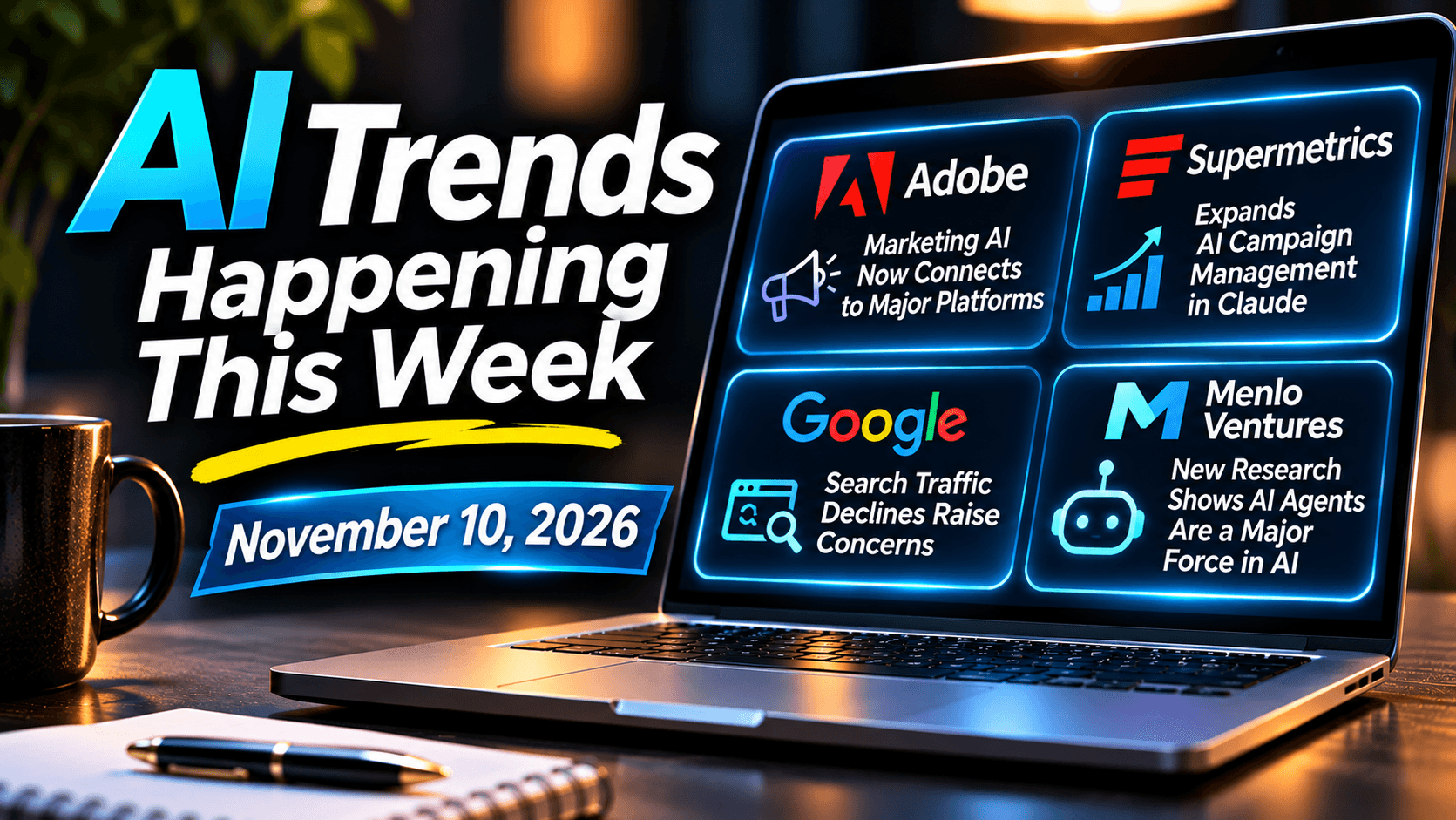
AI Trends November 10, 2026: Marketing, Search & Agents
Four AI trends for entrepreneurs: Adobe and Supermetrics integrations, changing Google search traffic, and new research on agents and business automation.

What Customer Questions Reveal About Your Business | SMS
Learn how repeated customer questions reveal problems in your business. Try a simple 20-minute audit to improve the customer experience without new tools.
0 Comments
Join the conversation
Be the first to comment
Share your thoughts above.